


[SCORRI GIU’ PER LA VERSIONE IN ITALIANO]
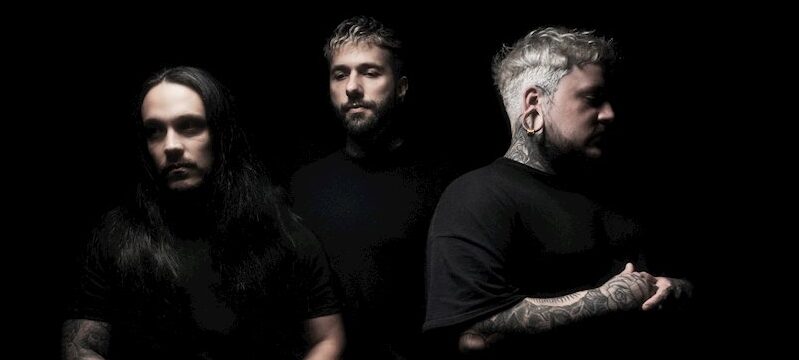
[ENG] Brazilian metal is proving once again that powerful and emotionally charged music can cross borders. Hailing from Brazil, Axty have built their identity through a blend of crushing heaviness, modern sounds and deeply personal themes. With their new album “The Pain Made Me Who I Am”, the band explores pain, vulnerability, growth and the strength that can emerge from difficult experiences. We spoke with Jonathas Peschiera about the new record, their creative process, touring, the Brazilian metal scene and their ambitions for the future.
- Hello Jonathas, welcome on Heavyworlds, it’s a pleasure to have you here. How are things going so far?
Yeah, it’s okay. We were, right now, just a few minutes ago, working already on the new songs so we are about to release a new album, as you know but we are already thinking about the next songs so we are pretty good.
- And your new album is called “The Pain Made Me Who I Am”, which is a very powerful statement. Was there a specific moment in your life when you realised that pain was not only something to survive but something that could have transformed you?
Yeah, I think I cannot say just one moment. I think we face this reality all the time so we can see daily how pain and suffering can forge us, can forge what we become in the future. So that’s the main idea of the album. I can say that almost all the lyrics talk about this idea and we tried also to express this idea in the songs themselves. I mean, in the music. It’s a really heavy and dense song but also there are some relief moments. We are trying to express this feeling about pain and suffering becoming something good so, that’s the main idea. It’s not about a single moment in our lives but it’s like something that happens all the time.
- The album starts with “pain made me” and ends with “end this”. The titles almost create a story arc. Was the album written as a journey from suffering to acceptance or did that meaning appear after the songs were already created?
Yeah, the main concept came before the song. First we decided that we wanted to talk about this relation between pain and becoming someone better. First we talked about this concept and then we started to produce the music. We did this kind of thing about naming the songs as part of the process. It’s like all the songs are linked between each other, that’s why this is the name of the first song of the album and it’s part of the story. I think it’s like this.
- Songs like “Selfish” and “Fragile” deal with very personal emotions. Is it difficult to turn experiences that are painful or intimate into something that you know thousands of people will hear?
Sure. I can say it’s not so easy because we feel exposed. We are sharing something really personal about our lives. But at the same time, it comes naturally because that’s what we are. We are not faking anything. So, we are just letting it flow when we are writing about it. I think it’s not easy but at the same time, it’s the only thing we can do. We think about this like this because it’s our reality, you know. At the beginning, I think it was more difficult, harder to write about ourselves and all that we put in the lyrics. But I think nowadays we are used to it. We are getting used to it.
- Your guitar work has a very modern and unpredictable character, mixing technical riffs, atmosphere and groove. When you write a song, do you start from a feeling, a riff or a specific vision of how you want the listener to react?
I think first of all, I personally think about the feeling, what I want to transmit. Then, after this feeling stuff, I start to write the riffs. And then, usually, we do it together. Usually, me and Felipe, the vocalist, we just sit together and start writing some riffs. He plays guitar too, he helps a lot in the writing process. And then we try to write some structure first and programme some drums. And then, when we have this structure, we send it to Gabriel, the drummer. And he can write some real drums over it and send us back the drums recorded.
And then, in the end, the end of the process is about writing the lyrics, actually. First we write all the songs, the guitar first and the drums and then the lyrics. And in the end, we do the production stuff like adding samples and the transitions and the noises and everything. This is the last thing we do.
- And which was the hardest song on “The Pain Made Me Who I Am” to create and why?
The hardest? Let me remember because we wrote this album like maybe six months ago. I have to remember. But I think that’s hard to say because for this album, I can say that all the songs came so naturally. We just sit together and spend some hours on each song and it comes naturally. In the past, we had some problems with writing some songs that were more tricky to finish. We spent like two months to finish one song in the past. But for this album, I think we wrote all the songs in like two months. It came really naturally. I can say that “Selfish” was probably the hardest one because we used a lot of noises, different noises and experiments but it came pretty naturally too. But I would say “Selfish“.
- And your music is extremely heavy but the message behind it is often about vulnerability and personal growth. Why do you think extreme music is such a powerful place to talk about fragile human emotions?
Yeah, I think we can use the music as a mask so we can express ourselves but without feeling so exposed because we can kind of hide behind the music, you know. That’s a really good thing because we, as artists, we want to express ourselves all the time. And sometimes it’s not so easy because, as I said before, it’s all about really private stuff and things that are hard to talk about. But the music helps a lot with this.
I feel like it’s a mask that I can hide behind and talk about anything that I want.
- And your music combines deathcore, metalcore, alternative metal, electronic elements and even nu metal influences. Do you think the idea of staying loyal to one kind of music is becoming outdated?
That’s a good question. I don’t have the answer but I would say that we talk about it all the time. We talk about trying to be more straight, more, how can I say, changeless. Because, as you can see, our previous albums are all really different from each other. We are all the time changing the songs because we are all the time changing. That’s the point. Considering that we are all the time trying to be ourselves, we are not trying to fake any lyrics or style. We are all the time writing exactly what we like to hear and what we want to express. That’s why maybe the songs are all the time changing because we are all the time changing as persons.
I would not say that it’s outdated but in the process of being natural, of being real, we cannot find another way to do this. I think that’s the point here.
- And Brazil has produced many incredible metal bands, but breaking internationally from South America has always been challenging. What obstacles did you have to overcome that people outside Brazil might not see?
Yeah, that’s another really, really good question because that’s something that we are all the time trying to talk about because making metal in Brazil is really, really not easy because metal is not something popular here. We had some really good and really big bands in Brazil like Sepultura and Angra. And now we have Crypta that are playing everywhere but we can’t say more than five bands, let’s say like that. Because we feel that it’s really, really hard because we don’t have a really well-formed scene here. We can play, we can do like four or five shows per year. Good shows with a lot of people but that’s it. And it’s all about São Paulo. Sometimes Rio de Janeiro. We are a huge country but we can play actually in just two cities because that’s where there are enough people to go to the shows and make a proper scene.
But I think things are getting better. In the last two years, I can see a lot of new bands appearing, becoming professionals somehow and also new venues. It’s getting better, I can feel it. It’s still so far off the US or Europe, for example but I think maybe in some years we can improve a little bit more. I can see that things are getting better but it’s hard.
- I can understand. And you recently toured North America with Born of Osiris and are preparing shows with Lacuna Coil. What is something you learned from watching established bands operate at that level?
I think we learned a lot on these tours. We did two US tours with Born of Osiris and one with Lacuna Coil and Escape the Fate. The last one. And this last one with Lacuna Coil, especially, we could learn a lot about it with this tour because we played in better venues for larger crowds. We had to learn a lot about staging but mainly about the backstage. For this last tour, we decided that we would do only the three of us without any crew at all. We had to handle all the merch sales and the tour logistics by ourselves. It was really challenging. But that was great because we could learn a lot about the backstage of the tours and I think this is the main thing that we could learn. Of course, it’s always enlightening to see bands like Born of Osiris and Lacuna Coil touring together and playing every day together. We can learn a lot about the stage itself, how to play properly and everything but I think this backstage stuff is the most valuable thing we could learn.
- You grew through streaming and social media, especially with millions of Spotify streams. Do you think young bands today need to be musicians, creators, editors and content producers or all at the same time?
Yes, I think today it’s very hard being the only musician. You have to understand at least something about the internet, social media and algorithms.I think in the past it was more like “I just play well and I can be a musician“. But nowadays it’s really different especially if you are not in a country that has a real scene because when you are, for example, in the US, things are different. Because you can reach your audience in some different ways. You have places to present, you have a real scene. In Brazil, we have to learn the internet. We have to master the internet. That’s the only way we can reach people that want to hear what we are doing. I think that’s really important: to understand how things besides the music work.
- As you deal with themes like healing and self-improvement in your album, do you think the metal community is becoming more open about discussing mental struggles compared to the past?
I don’t know because I don’t know how things were before but I can say that we receive messages daily about people saying that our songs somehow helped them with mental problems, mental issues. What I can say is that today, nowadays, a lot of people are trying to reach us to talk about how they are feeling. They are expressing themselves a lot, I can say. Also in the gigs, in the shows, people come to us and they want to talk about their lives. We love that because I think the main goal, the main target that we have is to make people feel better about the problems that they face like mental issues and everything. It’s the great purpose that we have with music.
- There is a huge difference between creating heavy music in a studio environment and performing it live in front of thousands of people. How did your perception of these songs change after playing them live?
Yeah, that’s really different. It’s another experience. Sometimes there are some songs that we write that we think “This song will be really funny, really nice to play live“. And others that we just write and we say, “Okay, that’s a really good song, but it’s more like I’m going to listen to this song in my house“. But it’s always the opposite. I can say that there are many songs that we think are not so good for live presentations.
And these songs are the best ones for playing live. So it’s unpredictable. It’s really hard to feel how the songs are going to work live. It’s always a surprise when we play each song live for the first time but it’s a good surprise. It’s always a good surprise. But yeah, it’s so different. We can never predict what will happen when playing the songs live.
- And as someone involved in mixing and mastering, how do you approach creating a sound that is both massive and still emotionally alive?
Yeah, that’s a big challenge because we have to sound really huge. That’s something that I have to achieve. But at the same time, I need to make all the elements audible. People must be able to hear everything. But at the same time, it must be huge, distorted and really big so I mix songs for other bands too, mainly Brazilian bands. And for mixing Axty, I had to change a lot of things that I was really used to doing with other bands because Axty has this really unique sound that only works if the mix is really appropriate. So yeah, I had to learn a lot of new stuff, especially for mixing Axty songs.
It’s a challenge but I love it. It’s my life. I love mixing and that’s my main work. That’s what I do for a living.But yeah, it’s a challenge. It’s a real challenge.
- And then, last question. After this album and these upcoming tours, where do you want to go next? What is the dream that still feels almost impossible to achieve?
Yeah, so first, after releasing this album, we are planning first. I can say that the first target is to do a good tour inside Brazi because there are many places in Brazil that we’ve never played before. As I told you, Brazil is a huge country but very centralised in São Paulo and Rio. We are trying to find ways to reach other places inside Brazil. That’s the first dream we have. We are trying to make it real this year.
And then, next year, we are planning to go back to the US to do another releasing tour. And then Europe. We’ve never played in Europe with Axty. So we are planning to do this next year, hopefully. And as I told you, we are already thinking about the next steps. We are already working on new stuff, trying new songs because we just can’t stop. It’s something that we can keep moving. We are trying to reach this goal of reaching the most people that we can. I think this is the main goal.
We don’t have a single goal, like, “We want to play at Rock in Rio. We want to play at this festival”. Yeah, we want to but the main goal is the big picture. We want to reach the most people we can and to spread the message and we want to connect to everyone. That’s the main goal, I could say.
- Ok so thank you so much for your time. It was a pleasure having a chat with you. I will leave you now some space to end the interview.
Yeah, thanks a lot for the space, for having us. It was really nice to meet you. Where are you from?
- Italy.
Italy, nice. So probably you know Lacuna Coil very well, right?
- Yeah, I know them.
That’s a really nice country. I hope to be there next year, playing for the Italians. And yeah, thanks for the space. Bye.
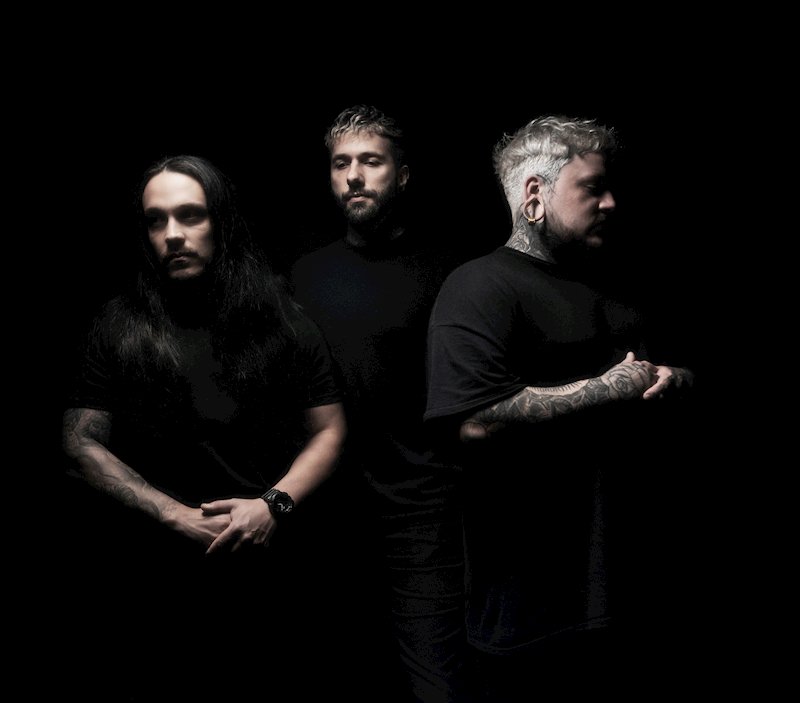
[ITA] Il metal brasiliano dimostra ancora una volta che una musica potente e carica di emozioni può oltrepassare i confini. Originari del Brasile, gli Axty hanno costruito la propria identità attraverso una combinazione di pesantezza travolgente, sonorità moderne e tematiche profondamente personali. Con il loro nuovo album “The Pain Made Me Who I Am”, la band esplora il dolore, la vulnerabilità, la crescita e la forza che può nascere dalle esperienze difficili. Abbiamo parlato con Jonathas Peschiera del nuovo disco, del processo creativo, dei tour, della scena metal brasiliana e delle loro ambizioni per il futuro.
- Ciao Jonathas, benvenuto su Heavyworlds, è un piacere averti qui. Come stanno andando le cose finora?
Sì, va bene. Proprio adesso, solo pochi minuti fa, stavamo già lavorando sulle nuove canzoni quindi stiamo per pubblicare un nuovo album, come sai, ma stiamo già pensando alle prossime canzoni, quindi stiamo piuttosto bene.
- E il vostro nuovo album si chiama “The Pain Made Me Who I Am”, che è un’affermazione molto potente. C’è stato un momento specifico nella tua vita in cui hai realizzato che il dolore non era solo qualcosa da sopportare, ma qualcosa che avrebbe potuto trasformarti?
Sì, penso che non posso dire un solo momento. Penso che affrontiamo questa realtà tutto il tempo, quindi possiamo vedere quotidianamente come il dolore e la sofferenza possano plasmarci, possano plasmare ciò che diventiamo nel futuro. Quindi questa è l’idea principale dell’album. Posso dire che quasi tutti i testi parlano di questa idea e abbiamo cercato anche di esprimere questa idea nelle canzoni stesse. Voglio dire, nella musica. È una canzone davvero pesante e densa, ma ci sono anche alcuni momenti di sollievo. Stiamo cercando di esprimere questo sentimento riguardo al dolore e alla sofferenza che diventano qualcosa di buono, quindi questa è l’idea principale. Non riguarda un singolo momento nelle nostre vite, ma è come qualcosa che accade continuamente.
- L’album inizia con “Pain Made Me” e finisce con “End This”. I titoli quasi creano un arco narrativo. L’album è stato scritto come un viaggio dalla sofferenza all’accettazione oppure quel significato è apparso dopo che le canzoni erano già state create?
Sì, il concetto principale è venuto prima della canzone. Prima abbiamo deciso che volevamo parlare di questa relazione tra il dolore e il diventare qualcuno di migliore. Prima abbiamo parlato di questo concetto e poi abbiamo iniziato a produrre la musica. Abbiamo fatto questo tipo di cosa riguardo al dare un nome alle canzoni come parte del processo. È come se tutte le canzoni fossero collegate tra loro, ecco perché questo è il nome della prima canzone dell’album ed è parte della storia. Penso che sia così.
- Canzoni come “Selfish” e “Fragile” affrontano emozioni molto personali. È difficile trasformare esperienze che sono dolorose o intime in qualcosa che sai che migliaia di persone ascolteranno?
Sicuramente. Posso dire che non è così facile perché ci sentiamo esposti. Stiamo condividendo qualcosa di davvero personale riguardo alle nostre vite. Ma allo stesso tempo, viene naturalmente perché questo è ciò che siamo. Non stiamo fingendo nulla. Quindi, lasciamo semplicemente che fluisca quando ne scriviamo. Penso che non sia facile ma allo stesso tempo, è l’unica cosa che possiamo fare. Pensiamo a questo in questo modo perché è la nostra realtà, sai. All’inizio, penso che fosse più difficile, più duro scrivere di noi stessi e di tutto ciò che mettiamo nei testi. Ma penso che al giorno d’oggi ci siamo abituati. Ci stiamo abituando.
- Il tuo lavoro alla chitarra ha un carattere molto moderno e imprevedibile, mescolando riff tecnici, atmosfera e groove. Quando scrivi una canzone, parti da una sensazione, da un riff o da una visione specifica di come vuoi che l’ascoltatore reagisca?
Penso che prima di tutto, personalmente penso alla sensazione, a ciò che voglio trasmettere. Poi, dopo questa parte della sensazione, inizio a scrivere i riff. E poi, di solito, lo facciamo insieme. Di solito, io e Felipe, il cantante, ci sediamo insieme e iniziamo a scrivere alcuni riff. Anche lui suona la chitarra, aiuta molto nel processo di scrittura. E poi cerchiamo di scrivere prima una struttura e programmare alcune batterie. E poi, quando abbiamo questa struttura, la mandiamo a Gabriel, il batterista. E lui può scriverci sopra delle batterie vere e rimandarci indietro le batterie registrate.
E poi, alla fine, la fine del processo riguarda in realtà la scrittura dei testi. Prima scriviamo tutte le canzoni, prima la chitarra e poi la batteria e poi i testi. E alla fine facciamo le cose di produzione, come aggiungere campioni e le transizioni e i rumori e tutto quanto. Questa è l’ultima cosa che facciamo.
- E qual è stata la canzone più difficile da creare di “The Pain Made Me Who I Am” e perché?
La più difficile? Fammi ricordare perché abbiamo scritto questo album tipo sei mesi fa. Devo ricordare. Ma penso che sia difficile da dire perché per questo album, posso dire che tutte le canzoni sono venute fuori in modo molto naturale. Ci siamo semplicemente seduti insieme e abbiamo passato alcune ore su ogni canzone e viene fuori naturalmente. In passato, abbiamo avuto alcuni problemi nello scrivere alcune canzoni che erano più difficili da finire. In passato abbiamo impiegato tipo due mesi per finire una canzone. Ma per questo album, penso che abbiamo scritto tutte le canzoni in tipo due mesi. È venuto fuori davvero naturalmente. Posso dire che “Selfish” è stata probabilmente la più difficile perché abbiamo usato molti rumori, rumori diversi e sperimentazioni, ma è venuta fuori abbastanza naturalmente anche quella. Ma direi “Selfish“.
- E la vostra musica è estremamente heavy ma il messaggio che c’è dietro riguarda spesso la vulnerabilità e la crescita personale. Perché pensi che la musica estrema sia un luogo così potente per parlare di emozioni umane fragili?
Sì, penso che possiamo usare la musica come una maschera, quindi possiamo esprimere noi stessi ma senza sentirci così esposti perché possiamo in qualche modo nasconderci dietro la musica, sai. Questa è una cosa davvero positiva perché noi, come artisti, vogliamo esprimere noi stessi continuamente. E a volte non è così facile perché, come ho detto prima, si tratta tutto di cose davvero private e di cose di cui è difficile parlare. Ma la musica aiuta molto con questo.
Mi sento come se fosse una maschera dietro cui posso nascondermi e parlare di qualsiasi cosa voglia.
- E la vostra musica combina deathcore, metalcore, alternative metal, elementi elettronici e persino influenze nu metal. Pensi che l’idea di rimanere fedeli a un solo tipo di musica stia diventando obsoleta?
È una buona domanda. Non ho la risposta, ma direi che ne parliamo tutto il tempo. Parliamo del cercare di essere più lineari, più, come posso dire, invariabili. Perché, come puoi vedere, i nostri album precedenti sono tutti davvero diversi l’uno dall’altro. Cambiamo continuamente le canzoni perché cambiamo continuamente anche noi. Questo è il punto. Considerando che cerchiamo continuamente di essere noi stessi, non stiamo cercando di fingere nessun testo o nessuno stile. Scriviamo continuamente esattamente ciò che ci piace ascoltare e ciò che vogliamo esprimere. Ecco perché forse le canzoni cambiano continuamente, perché noi cambiamo continuamente come persone.
Non direi che sia obsoleto, ma nel processo di essere naturali, di essere reali, non possiamo trovare un altro modo per fare questo. Penso che questo sia il punto qui.
- E il Brasile ha prodotto molte band metal incredibili ma emergere a livello internazionale dal Sud America è sempre stato difficile. Quali ostacoli avete dovuto superare che le persone al di fuori del Brasile potrebbero non vedere?
Sì, questa è un’altra domanda davvero, davvero buona perché è qualcosa di cui parliamo continuamente, perché fare metal in Brasile è davvero, davvero difficile perché il metal non è qualcosa di popolare qui. Abbiamo avuto alcune band davvero grandi e davvero importanti in Brasile come Sepultura e Angra. E ora abbiamo i Crypta che suonano ovunque, ma non possiamo dire più di cinque band, diciamo così. Perché sentiamo che è davvero, davvero difficile perché non abbiamo una scena davvero ben strutturata qui. Possiamo suonare, possiamo fare tipo quattro o cinque concerti all’anno. Buoni concerti con molte persone, ma questo è tutto. Ed è tutto incentrato su San Paolo. A volte Rio de Janeiro. Siamo un paese enorme, ma in realtà possiamo suonare solo in due città perché è lì che ci sono abbastanza persone che vanno ai concerti e che permettono di creare una scena vera e propria.
Ma penso che le cose stiano migliorando. Negli ultimi due anni, posso vedere molte nuove band emergere, diventare professionali in qualche modo e anche nuovi locali. Sta migliorando, posso sentirlo. È ancora così lontano dagli Stati Uniti o dall’Europa, per esempio, ma penso che forse tra qualche anno potremo migliorare un po’ di più. Posso vedere che le cose stanno migliorando, ma è difficile.
- Posso capirlo. E recentemente avete fatto un tour in Nord America con Born of Osiris e state preparando dei concerti con Lacuna Coil. Qual è una cosa che avete imparato osservando band affermate operare a quel livello?
Penso che abbiamo imparato molto da questi tour. Abbiamo fatto due tour negli Stati Uniti con Born of Osiris e uno con Lacuna Coil ed Escape the Fate. L’ultimo. E quest’ultimo con Lacuna Coil, soprattutto, abbiamo potuto imparare molto da questo tour perché abbiamo suonato in locali migliori davanti a un pubblico più numeroso. Abbiamo dovuto imparare molto riguardo alla messa in scena, ma soprattutto riguardo al backstage. Per quest’ultimo tour, abbiamo deciso che saremmo stati solo noi tre senza nessuna crew. Abbiamo dovuto occuparci da soli di tutte le vendite del merchandising e della logistica del tour.
- Siete cresciuti attraverso lo streaming e i social media, soprattutto con milioni di stream su Spotify. Pensi che le giovani band oggi debbano essere musicisti, creator, editor e produttori di contenuti, tutto allo stesso tempo?
Sì, penso che oggi sia molto difficile essere solamente un musicista. Devi capire almeno qualcosa di internet, dei social media e degli algoritmi. Penso che in passato fosse più tipo “Suono semplicemente bene e posso essere un musicista“. Ma al giorno d’oggi è davvero diverso, soprattutto se non sei in un Paese che ha una scena vera perché quando sei, per esempio, negli Stati Uniti, le cose sono diverse. Perché puoi raggiungere il tuo pubblico in modi diversi. Hai posti dove esibirti, hai una scena vera. In Brasile, dobbiamo imparare internet. Dobbiamo padroneggiare internet. È l’unico modo in cui possiamo raggiungere le persone che vogliono ascoltare ciò che stiamo facendo. Penso che sia davvero importante: capire come funzionano le cose oltre alla musica.
- Mentre affronti temi come la guarigione e il miglioramento personale nel vostro album, pensi che la comunità metal stia diventando più aperta nel parlare delle difficoltà mentali rispetto al passato?
Non lo so perché non so come fossero le cose prima, ma posso dire che riceviamo messaggi ogni giorno da persone che dicono che le nostre canzoni in qualche modo le hanno aiutate con problemi mentali, difficoltà mentali. Quello che posso dire è che oggi, al giorno d’oggi, molte persone stanno cercando di raggiungerci per parlare di come si sentono. Si esprimono molto, posso dirlo. Anche ai concerti, agli show, le persone vengono da noi e vogliono parlare delle loro vite. Noi lo adoriamo perché penso che il principale obiettivo, il principale scopo che abbiamo, sia far sentire meglio le persone riguardo ai problemi che affrontano, come i problemi mentali e tutto il resto. È il grande scopo che abbiamo con la musica.
- C’è un’enorme differenza tra creare musica pesante in un ambiente da studio e eseguirla dal vivo davanti a migliaia di persone. Come è cambiata la tua percezione di queste canzoni dopo averle suonate dal vivo?
Sì, è davvero diverso. È un’altra esperienza. A volte ci sono alcune canzoni che scriviamo e pensiamo “Questa canzone sarà davvero divertente, davvero bella da suonare dal vivo“. E altre che scriviamo e diciamo, “Okay, questa è una canzone davvero bella, ma è più come se dovessi ascoltare questa canzone a casa mia“. Ma è sempre il contrario. Posso dire che ci sono molte canzoni che pensiamo non siano così buone per le esibizioni dal vivo.
E queste canzoni sono le migliori da suonare dal vivo. Quindi è imprevedibile. È davvero difficile capire come funzioneranno le canzoni dal vivo. È sempre una sorpresa quando suoniamo ogni canzone dal vivo per la prima volta, ma è una buona sorpresa. È sempre una buona sorpresa. Ma sì, è così diverso. Non possiamo mai prevedere cosa succederà quando suoniamo le canzoni dal vivo.
- E come persona coinvolta nel mixing e nel mastering, come affronti la creazione di un suono che sia allo stesso tempo enorme e ancora emotivamente vivo?
Sì, è una grande sfida perché dobbiamo suonare davvero enormi. È qualcosa che devo ottenere. Ma allo stesso tempo, devo rendere tutti gli elementi udibili. Le persone devono essere in grado di sentire tutto. Ma allo stesso tempo, deve essere enorme, distorto e davvero grande, quindi mixo canzoni anche per altre band, principalmente band brasiliane. E per il mixing degli Axty, ho dovuto cambiare molte cose che ero davvero abituato a fare con altre band perché gli Axty hanno questo suono davvero unico che funziona solo se il mix è davvero appropriato. Quindi sì, ho dovuto imparare molte cose nuove, soprattutto per il mixing delle canzoni degli Axty.
È una sfida ma la adoro. È la mia vita. Amo fare mixing ed è il mio lavoro principale. È quello che faccio per vivere. Ma sì, è una sfida. È una vera sfida.
- E poi, ultima domanda. Dopo questo album e questi prossimi tour, dove vuoi andare dopo? Qual è il sogno che sembra ancora quasi impossibile da raggiungere?
Sì, quindi prima di tutto, dopo aver pubblicato questo album, stiamo pianificando prima. Posso dire che il primo obiettivo è fare un buon tour all’interno del Brasile perché ci sono molti posti in Brasile dove non abbiamo mai suonato prima. Come ti ho detto, il Brasile è un Paese enorme ma molto centralizzato su San Paolo e Rio. Stiamo cercando di trovare dei modi per raggiungere altri posti all’interno del Brasile. Questo è il primo sogno che abbiamo. Stiamo cercando di renderlo realtà quest’anno.
E poi, l’anno prossimo, stiamo pianificando di tornare negli Stati Uniti per fare un altro tour di presentazione. E poi l’Europa. Non abbiamo mai suonato in Europa con Axty. Quindi stiamo pianificando di farlo l’anno prossimo, si spera. E come ti ho detto, stiamo già pensando ai prossimi passi. Stiamo già lavorando su cose nuove, provando nuove canzoni perché semplicemente non possiamo fermarci. È qualcosa che possiamo continuare a portare avanti. Stiamo cercando di raggiungere questo obiettivo di raggiungere più persone possibile. Penso che questo sia l’obiettivo principale.
Non abbiamo un singolo obiettivo, tipo, “Vogliamo suonare al Rock in Rio. Vogliamo suonare a questo festival“. Sì, vogliamo farlo, ma l’obiettivo principale è il quadro generale. Vogliamo raggiungere più persone possibile e diffondere il messaggio e vogliamo connetterci con tutti. Questo è l’obiettivo principale, potrei dire.
- Ok, quindi grazie mille per il tuo tempo. È stato un piacere fare due chiacchiere con te. Ti lascio ora un po’ di spazio per concludere l’intervista.
Sì, grazie mille per lo spazio, per averci ospitato. È stato davvero bello conoscerti. Da dove vieni?
- Dall’Italia.
Italia, bello. Quindi probabilmente conosci molto bene i Lacuna Coil, giusto?
- Sì, li conosco.
È davvero un bel Paese. Spero di essere lì l’anno prossimo, a suonare per gli italiani. E sì, grazie per lo spazio.